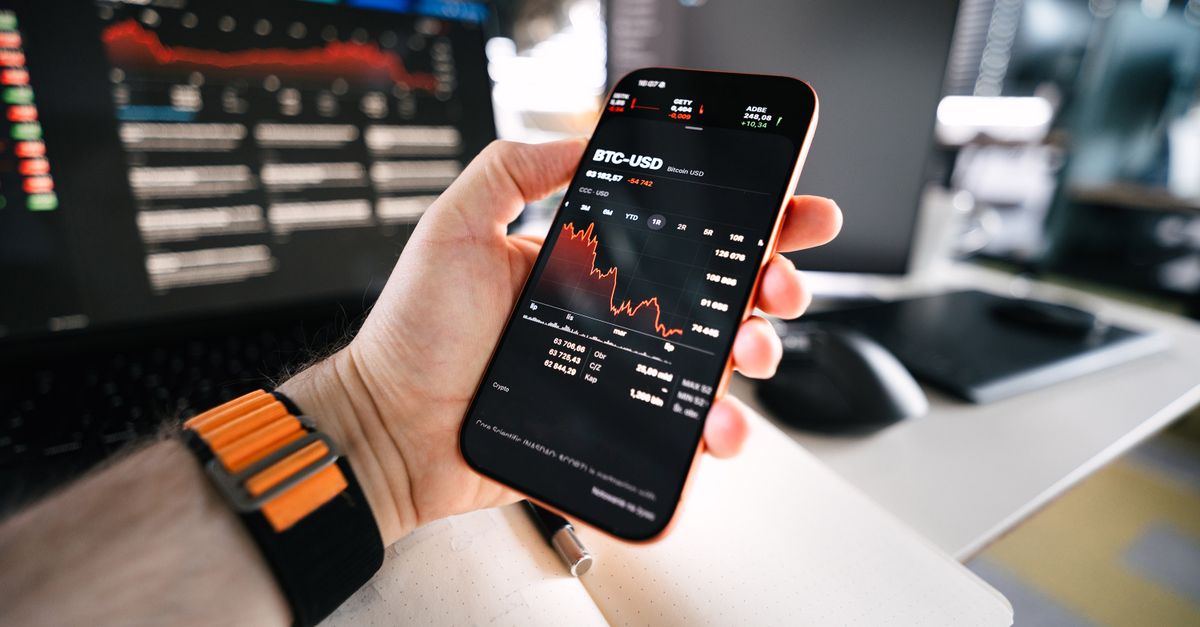
Why Most Beginners Fail at Personal Finance Apps (And The 'Behavioral Integration' Strategy That Actually Works)
We’ve all been there: full of enthusiasm, downloading a shiny new personal finance app, convinced this will finally be the tool that organizes our money, tracks our spending, and sets us on the path to financial freedom. You dutifully link your bank accounts, categorize a few transactions, and then… crickets. A week later, the app is a forgotten icon on your phone, buried under social media and games, and your financial habits are right back where they started. In my experience, this isn’t a failure of the app itself, nor is it a lack of desire on your part. The mistake I see most often is a fundamental disconnect between the tool and our behavior. Most beginners approach these apps as a magic bullet, expecting them to somehow impose financial discipline, rather than understanding them as a reflection and reinforcement of existing or developing habits. It’s like buying a gym membership and expecting to get fit by simply having it on your keyring; you actually have to go and put in the work.
The real challenge isn’t data entry; it’s behavioral integration. It’s about seamlessly weaving the app into your daily financial rhythm so it becomes an intuitive part of how you interact with your money, rather than an extra chore you dread. The apps themselves are powerful, but their power is unlocked only when they become an extension of your financial self, not a separate, intimidating task. What changed everything for me and for many I’ve coached was shifting from a ‘set it and forget it’ mentality to an ‘integrate and reinforce’ strategy. This isn’t about finding the perfect app; it’s about making any good app work for you by consciously building it into your life.
Key Takeaways
- Most personal finance apps fail beginners because they lack behavioral integration, not due to app limitations.
- Shift your mindset from expecting the app to impose discipline to using it to reflect and reinforce developing financial habits.
- Actively link the app to specific daily or weekly financial actions and decision points to make its use intuitive.
- Prioritize a few key features that provide immediate, tangible value, such as real-time spending alerts or budget category reviews.
The Illusion of Automation: Why ‘Set It and Forget It’ Backfires
Many personal finance apps promise automation, and while features like automatic transaction import and categorization are incredibly convenient, they often create a false sense of accomplishment for beginners. You link your accounts, watch the transactions populate, and feel like you’re ‘doing finance.’ But true financial management isn’t just about data collection; it’s about active engagement and conscious decision-making. When you rely solely on automation, you disconnect from the actual flow of your money. You might see a neatly categorized list of your spending, but without actively reviewing and adjusting, it’s just a historical record, not a living financial plan.
For example, I once worked with a client who loved the idea of their finance app. They set up all the automations and then wondered why their spending wasn’t changing. We discovered they’d linked their credit card, and the app diligently categorized their Dining Out expenses at $800 for the month. They saw the number, but because they hadn’t actively set a boundary for dining out, or even paused to feel the impact of each individual meal, the number didn’t translate into a behavioral shift. It was just a data point, easily dismissed. The ‘set it and forget it’ approach works for collecting data, but it utterly fails for changing behavior. You need to interact with the data, question it, and let it inform your next move.
The app becomes a passive observer rather than an active participant in your financial life. To combat this, you must build intentional touchpoints where you actively engage with the app and your money. It’s not enough for the app to know where your money went; you need to know, understand, and approve (or disapprove) of those choices. This engagement is the bedrock of behavioral integration. Without it, the app is just a fancy calculator, not a financial coach.
Integrating Review Rhythms: Making the App a Habit, Not a Chore
The most critical aspect of behavioral integration is establishing consistent review rhythms. For most beginners, the idea of daily or even weekly financial reviews feels daunting, like adding another job to an already packed schedule. The key isn’t to spend hours poring over spreadsheets; it’s to create micro-moments of engagement that naturally fit into your existing routine.
For me, what changed everything was identifying existing daily triggers. For instance, after making a purchase, instead of just swiping my card and forgetting, I’d make a mental note to quickly check my app later. This isn’t about categorizing every single transaction in real-time – that’s a sure path to burnout for beginners. It’s about a quick glance at your overall budget or a specific category. Let’s say I just bought groceries. Later, while waiting for my coffee to brew, I’ll open the app. I’m not looking to re-categorize; I’m looking to see how that grocery spend impacts my Food budget for the week. This micro-review takes less than 30 seconds but connects the action (buying groceries) with its financial consequence.
Similarly, a powerful weekly rhythm can be integrated into something you already do, like planning your weekend. Before I map out Saturday’s activities, I spend 5-10 minutes reviewing the past week’s spending in my app. This isn’t just about seeing where the money went; it’s about reflecting on whether that spending aligns with my values and goals. Did I overspend on Entertainment? If so, maybe I need to dial back Sunday’s plans. This isn’t judgment; it’s information to guide future choices. By linking your app review to a routine you already have, you leverage existing behavioral pathways, making the new habit much easier to adopt and maintain. It transforms the app from an isolated task into a practical tool that helps you live your life more intentionally.
The Power of the ‘Decision Point’ Check-In
One of the most profound shifts in making personal finance apps work for beginners is using them at key decision points, not just as a retrospective tool. Most people open their finance app only after they’ve already spent the money, which is like trying to navigate a journey by constantly looking in the rearview mirror. To truly integrate an app into your financial behavior, you need to use it before you make a spending decision.
Consider the common scenario: you’re out shopping, or perhaps browsing online, and you see something you want. Your initial impulse is to buy it. This is a crucial decision point. Instead of immediately pulling out your wallet or clicking ‘add to cart,’ take 30 seconds to open your finance app. Look specifically at the budget category for that item. Do you have enough left in your Shopping budget for the month? How will this purchase impact your Savings goal for that trip you’re planning? This quick check-in doesn’t have to be a rigid ‘no.’ Sometimes, you’ll see you have plenty, and you can buy it guilt-free. Other times, you’ll realize it will blow your budget, leading to a conscious decision to pause or reconsider.
I remember a time I was eyeing a new gadget, about $150. My instinct was to buy it. But I had adopted this ‘decision point’ habit. I opened my app, looked at my Gadgets/Electronics category, and saw I only had $50 left for the month. More importantly, I also saw my Vacation Fund was still $300 short of my goal. That quick visual reminder was all it took. I closed the app, put the gadget back, and felt a surge of empowerment, not deprivation. The app didn’t tell me ‘no’; it simply presented the trade-off in a tangible way. This proactive engagement turns the app into a powerful decision-support system, empowering you to make choices that truly align with your financial goals, rather than just passively tracking where your money went.
Beyond Categorization: Focusing on Actionable Insights
Many beginners get bogged down in meticulous categorization, spending hours making sure every single transaction is perfectly tagged. While categorization is foundational, it often becomes a barrier to continued use because it feels like a never-ending administrative task. The real value of personal finance apps for behavioral change lies not in the perfection of your categories, but in the actionable insights you derive from the aggregated data.
Think about what truly moves the needle for your financial health: understanding your biggest spending leaks, seeing your progress towards a savings goal, or realizing where you can cut back without feeling deprived. Instead of obsessing over whether that coffee was Beverages or Dining Out, focus on the larger picture. Your app likely has reporting features that show you your top spending categories over the past month. Make it a point to review just this report for 5 minutes once a week.
For instance, if your Food Delivery category consistently dwarfs your Groceries, that’s an actionable insight. It doesn’t require precise sub-categorization to tell you that you might be spending more on convenience than you intend. The app isn’t just telling you what you spent; it’s highlighting a potential area for behavioral adjustment. What if you decide to try cooking at home two more nights next week? You can then use the app to track if that behavioral change actually translates into a lower Food Delivery spend. This shift from perfect data entry to seeking and acting on high-level insights makes the app a tool for change, not just a digital ledger. It encourages you to ask, “What does this data tell me about my habits, and what small adjustment can I make this week?” — a question far more impactful than “Did I categorize this latte correctly?”
Automating the Good: Linking the App to Savings & Debt Payoff
While too much automation can lead to disengagement, strategic automation for positive financial actions is incredibly powerful and a cornerstone of effective behavioral integration. This is where personal finance apps truly shine for beginners, allowing you to set up systems that automatically move you closer to your goals, often without daily effort.
Consider your savings goals. Many apps allow you to create specific savings goals (e.g., Emergency Fund, Vacation, Down Payment) and link automatic transfers to them. The magic isn’t just that the money moves; it’s that the app visually tracks your progress. Seeing that Vacation fund grow from $0 to $100 to $500 provides a powerful psychological boost, reinforcing the positive behavior. It gamifies saving and makes the abstract goal concrete and motivating.
Similarly, for debt payoff, linking your app to an automated payment strategy can be a game-changer. Many apps can show you the impact of extra payments, or help you visualize different payoff scenarios. Setting up an automatic transfer of a fixed amount or even ‘rounding up’ your purchases to pay down debt (a feature some apps offer) leverages automation for good. You’re not relying on willpower every single day to make an extra payment; you’ve designed a system that does it for you. Your app then becomes the dashboard, celebrating those small victories as your debt balances shrink and your savings grow. This strategic automation, combined with your regular micro-reviews, builds a robust system where the app actively works for your financial well-being, rather than being a mere tracker you quickly abandon.
Frequently Asked Questions
Q: I’m overwhelmed by all the features in my finance app. Where should a beginner start?
A: Don’t try to use every feature at once. Start by focusing on two core functions: automatic transaction import and a simple budget for your top 3-5 spending categories (e.g., Food, Transportation, Housing). Once you consistently review these, you can gradually explore more features. The goal is consistent engagement with a few key areas, not exhaustive use of everything.
Q: How often should I check my personal finance app without getting burned out?
A: For beginners, a weekly 5-10 minute review is ideal. Schedule it for a consistent time, perhaps during a morning coffee or while planning your week. Additionally, try to incorporate a 30-second decision-point check-in before making significant purchases. This balances active engagement with avoiding burnout.
Q: My app’s automatic categorization is often wrong. Should I fix every single one?
A: No, don’t get bogged down in perfection. Focus on the overall trend rather than individual inaccuracies, especially for smaller transactions. If a large transaction is miscategorized, correct it. For smaller, frequent items, if the aggregate for a category seems generally right, that’s often good enough for behavioral insights. Remember, you’re looking for actionable patterns, not a forensic accounting report.
Q: What if I forget to open the app for a few days or even a week?
A: It’s perfectly normal to miss a few days or even a week! The key is to not give up. When you remember, simply pick up where you left off. Review the past few days’ transactions, reconcile any discrepancies, and recommit to your review rhythm. The power is in consistency over time, not perfection in every moment.
Q: How do I choose the ‘right’ personal finance app for behavioral integration?
A: The ‘right’ app is less about specific features and more about one you find intuitive and engaging for you. Look for clear visual dashboards, easy transaction review, customizable budgeting, and the ability to set and track goals. Most importantly, choose an app you feel you can integrate into your existing daily routines. Don’t overthink the choice; pick one and commit to the behavioral integration strategy.
In my journey from financial chaos to calm, personal finance apps were a crucial tool, but only once I stopped expecting them to do the work for me and started integrating them into my life. It’s about building those small, consistent habits, making the app a natural extension of your financial decision-making, and letting it amplify the positive behaviors you’re trying to cultivate. Start small, stay consistent, and watch your financial picture transform.
Written by Marcus Thorne
Relationships & Personal Growth
With a background in community development, Marcus focuses on fostering genuine connections and well-being.
You Might Also Like
Paper Receipts Against Digital Receipts: Which Keeps Your Spending Safer?
Evaluate paper vs. digital receipts for security and financial control. Understand their nuances to safeguard your spending and financial privacy.
How Can I Actually Save Money on Groceries Without Compromising on Quality?
Discover actionable strategies to cut your grocery bill by 30% without sacrificing the quality of your food, focusing on smart choices beyond coupon clipping.
Three Digital Banking Errors That Cost You Time and Unexpected Fees
Uncover the common digital banking mistakes that lead to lost time and hidden fees, and learn how to secure your finances. Author: Eleanor Vance.