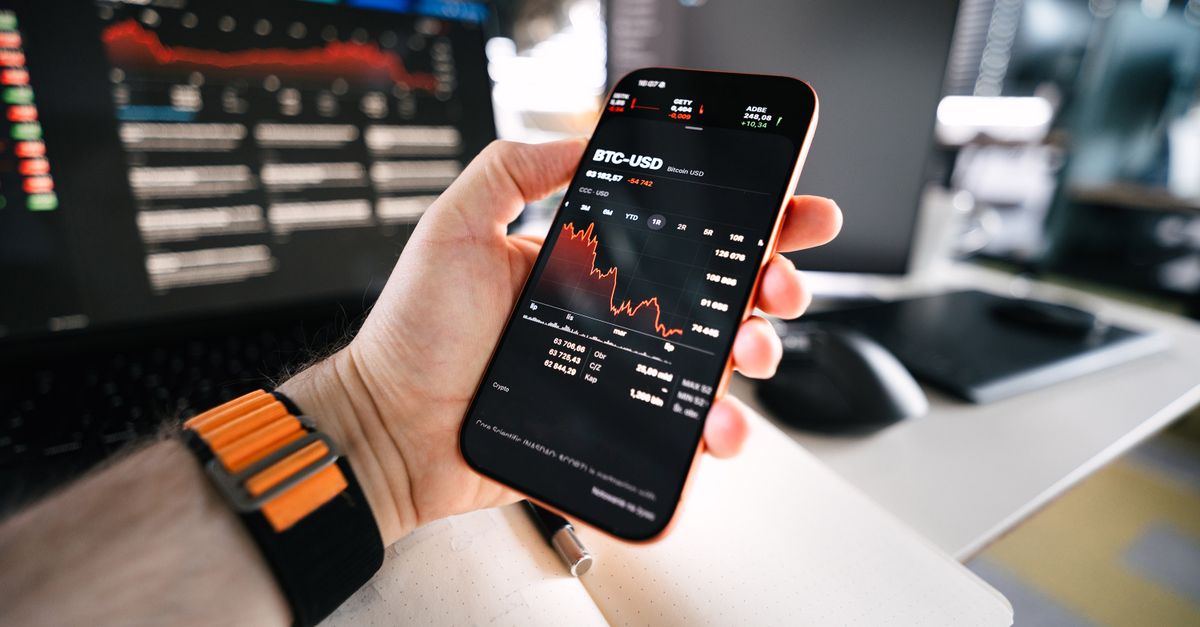
Why Most Beginners Fail at Personal Finance Apps (And The 'Behavioral Integration' Strategy That Actually Works)
You download a shiny new personal finance app, brimming with features like budgeting, investment tracking, and net worth calculations. You spend an hour meticulously linking accounts, categorizing transactions, and setting lofty financial goals. For a few days, maybe even a week, you feel incredibly organized, utterly in control. But then, slowly, imperceptibly, the enthusiasm wanes. Notifications become an annoyance, not a helpful reminder. Manual categorization feels like a chore. Soon, the app sits unopened, another digital graveyard of good intentions. If this sounds familiar, you’re not alone. In my experience, most beginners fail at personal finance apps not because the apps are bad, but because they fundamentally misunderstand how to integrate these tools into their actual financial behavior.
Key Takeaways
- Most personal finance apps fail beginners by focusing on data aggregation over behavioral change.
- The ‘Behavioral Integration’ strategy involves aligning app usage with existing financial habits and decision points.
- Start by automating only passive tracking, gradually introducing active engagement as comfort grows.
- Use the app as a ‘financial checkpoint’ before significant spending decisions, not just for retroactive data entry.
- Regularly schedule ‘financial reflection’ sessions to review progress and adjust goals, making the app a tool for growth.
The Illusion of Automation: Why ‘Set It and Forget It’ Fails
The biggest misconception I see new users have about personal finance apps is that they’ll somehow automate away the need for conscious financial engagement. The marketing often promises effortless tracking, instant insights, and a ‘set it and forget it’ approach to money management. While these apps excel at collecting data automatically (linking to bank accounts, credit cards, investments), they often fail to guide users on how to interact with that data in a way that leads to meaningful behavioral change. For many, simply seeing their spending visualized isn’t enough to curb impulse purchases or save more. It’s like having a detailed map but no clear destination or driving instructions. The initial excitement of seeing all your money in one place quickly turns into overwhelm or, worse, a sense of guilt when the numbers aren’t what you hoped for. The disconnect lies between the app’s capability to present information and the user’s ability to translate that information into actionable, consistent financial habits. In my own journey, I tried half a dozen apps before realizing the problem wasn’t the software, but my approach to using it.
Behavioral Integration: Aligning the App with Your Financial Life
What actually works is what I call Behavioral Integration. This isn’t about finding the ‘perfect’ app, but about consciously integrating your chosen app into your existing financial decision points and routines. Instead of trying to force a new, rigid system onto your life, you identify moments where you already engage with your money – checking your bank balance before a purchase, paying bills, reviewing statements – and you strategically insert the app into those moments. The goal is to make the app a natural extension of your financial thought process, not a separate, burdensome task. For instance, if you always check your bank balance on your banking app before making a large purchase, integrate your personal finance app into that same action. Open it first, review your budget category, and then decide. This subtle shift transforms the app from a retroactive record-keeper into a proactive decision-making tool. It’s about ‘meeting yourself where you are’ financially and building from there.
Phase 1: Passive Observation and Gentle Introduction
When you first start with a personal finance app, resist the urge to immediately customize every budget category and set aggressive savings goals. This often leads to burnout. Instead, focus on passive observation. For the first 2-4 weeks, simply link all your accounts and let the app passively track your spending. Your only active task should be to open the app once every 2-3 days and simply look at where your money is going. Don’t judge, don’t categorize manually unless it’s easy and intuitive. The goal here is exposure and familiarization. Understand the app’s interface, its automatic categorization (and how accurate it is), and begin to recognize your own spending patterns without the pressure of ‘doing it right.’ This phase is about building a low-friction habit of simply checking your money in the app. My initial mistake was trying to be perfect from day one; I’d spend an hour meticulously fixing categories only to abandon it a week later. Starting with passive observation builds a foundation without demanding too much mental energy.
Phase 2: Strategic Engagement at Decision Points
Once you’re comfortable with passive observation, move to strategic engagement. Identify 1-2 key financial decision points in your week or month where the app can provide immediate value. For example:
- Before a major purchase: If you’re about to buy new clothes, groceries for the week, or sign up for a subscription, open your personal finance app first. Check your ‘Clothing’ or ‘Groceries’ budget category. Does this purchase align with your plan? This shifts the app from a post-mortem tool to a pre-decision aid.
- During bill paying: As you pay your monthly bills, open the app to verify the upcoming payment. Mark it as paid if the app allows, or simply confirm it aligns with your budget. This turns a routine task into a mini-financial review.
- Weekly ‘Money Check-in’: Instead of daily overwhelming notifications, choose one specific day and time each week (e.g., Sunday morning for 15 minutes) to actively engage with the app. Review categories, make manual adjustments, and get a snapshot of your progress. This creates a predictable rhythm that prevents the app from becoming a constant background nag.
This phase is about making the app serve your existing financial habits, not the other way around. I found that linking app usage to moments where I was already thinking about money made the integration feel natural, almost effortless.
Phase 3: Regular Financial Reflection and Goal Alignment
The final, and perhaps most critical, phase of Behavioral Integration is regular financial reflection. This isn’t just about looking at numbers; it’s about connecting those numbers to your broader financial goals and aspirations. Schedule a monthly or bi-weekly ‘Financial Reflection Session’ – dedicate 30-60 minutes to open your app and really dig in. During this time, you should:
- Review your budget categories: Are they still accurate? Do you need to adjust limits based on real spending?
- Check progress towards goals: How are your savings goals advancing? Are you hitting your debt repayment targets?
- Analyze trends: Are there recurring spending patterns you weren’t aware of? Where can you optimize?
- Adjust and plan: Based on your insights, make concrete adjustments to your budget for the next period or shift your savings allocations.
This dedicated time transforms the app from a mere data tracker into a powerful tool for personal growth and goal achievement. It’s where the ‘why’ behind your money truly comes alive. For me, these reflection sessions were the game-changer. They stopped being about just data entry and started being about understanding my progress, celebrating small wins, and making conscious choices about my financial future.
Troubleshooting Common Pitfalls: It’s Not the App, It’s the Approach
Even with Behavioral Integration, new pitfalls can emerge. The most common one is over-customization paralysis. Many apps offer endless ways to customize categories, rules, and reports. Resist the urge to dive deep into these until you’ve established consistent engagement. Start with broad categories and only add granularity when a clear need arises (e.g., ‘Groceries’ is fine until you realize you’re spending too much on ‘Takeout from Grocery Store’ vs. ‘Raw Ingredients’).
Another pitfall is notification overload. Turn off most push notifications. The goal is intentional engagement, not reactive anxiety. Let you decide when to check the app, not the app decide when to interrupt you.
Finally, don’t chase perfection. Your budget won’t be perfectly balanced every month, and you’ll miss a categorization sometimes. The aim is consistent, mindful engagement, not flawless execution. Focus on the macro trends and the overall direction of your financial journey. The app is a tool to support you, not a demanding master to please.
Frequently Asked Questions
Q: Which personal finance app is best for beginners?
A: The ‘best’ app is highly subjective and depends less on features and more on your ability to integrate it into your habits. Start with popular, user-friendly options like Mint, YNAB (You Need A Budget), or Simplifi. Focus on apps that offer easy linking to your bank accounts and clear, visual reporting. The key is to find one you’re comfortable opening regularly, not one with the most bells and whistles you won’t use.
Q: How often should I check my personal finance app?
A: For beginners, I recommend a tiered approach. Start with passive observation 2-3 times a week, just opening the app to glance at your spending. Then, move to strategic engagement at specific financial decision points (e.g., before a large purchase). Finally, establish a dedicated 30-60 minute ‘Financial Reflection Session’ once or twice a month for deeper review and planning. Avoid daily, unprompted checks, which can lead to burnout.
Q: My app’s automatic categorization is often wrong. Should I give up?
A: No! Automatic categorization is rarely perfect. Use the error as an opportunity for strategic engagement. During your weekly or bi-weekly ‘Money Check-in’ or ‘Financial Reflection Session,’ manually re-categorize the incorrect transactions. Many apps ‘learn’ over time, but the act of correcting them reinforces your awareness of where your money truly goes. Don’t let imperfect automation deter you from the valuable habit of review.
Q: I feel overwhelmed by all the data in my personal finance app. What should I do?
A: This is a common experience when you’re focusing on too much at once. Start by simplifying. Hide or ignore features you don’t need right now (like investment tracking if you’re only focusing on budgeting). Focus on just 1-2 core metrics, like your total spending for the month or your progress on a single savings goal. As you get more comfortable, gradually reintroduce complexity. The goal is clarity, not data saturation.
Q: Can a personal finance app really help me save money?
A: Absolutely, but not by magic. The app itself is just a tool. It helps you save money by providing transparency into your spending, allowing you to identify areas where you can cut back, and tracking your progress towards savings goals. The ‘Behavioral Integration’ strategy ensures you’re actively engaging with this information, making conscious choices, and forming the habits necessary for real financial progress.
The True Value is in the Integration
Personal finance apps offer incredible potential to transform your financial life, but only if you approach them with the right mindset. They are not magic bullet solutions that will fix your money problems while you sleep. They are powerful tools that require intentional, behavioral integration into your existing financial habits and decision-making processes. By starting with passive observation, moving to strategic engagement at key decision points, and committing to regular financial reflection, you’ll go beyond simply tracking your money. You’ll begin to understand it, control it, and align it with the life you truly want to build.
So, next time you consider downloading a new finance app (or dusting off an old one), remember the power lies not just in the software, but in how you integrate it into the unique rhythms of your financial life. Start small, be consistent, and allow the app to truly become a partner in your financial journey, rather than just another neglected tool.
Written by Eleanor Vance
Productivity & Home Management
A former elementary school teacher, Eleanor brings clarity and organization to life's trickiest tasks.
You Might Also Like
Paper Receipts Against Digital Receipts: Which Keeps Your Spending Safer?
Evaluate paper vs. digital receipts for security and financial control. Understand their nuances to safeguard your spending and financial privacy.
How Can I Actually Save Money on Groceries Without Compromising on Quality?
Discover actionable strategies to cut your grocery bill by 30% without sacrificing the quality of your food, focusing on smart choices beyond coupon clipping.
Three Digital Banking Errors That Cost You Time and Unexpected Fees
Uncover the common digital banking mistakes that lead to lost time and hidden fees, and learn how to secure your finances. Author: Eleanor Vance.