A Practical Checklist for Choosing a Sustainable Coffee Maker
The scent of brewing coffee is one of life’s simple pleasures, a ritual that signals the start of a productive day or a moment of quiet reflection. Yet, as our awareness of environmental impact grows, many of us are starting to look beyond the morning cup itself to the footprint of the appliance that makes it. In my own kitchen, this shift began years ago after realizing that my perfectly good, but energy-hungry, drip machine was contributing more to my carbon footprint than I was comfortable with. It wasn’t about finding the ‘perfect’ machine, but about making a more responsible choice.
What changed everything for me was adopting a systematic approach – a checklist, if you will – to evaluate coffee makers not just on taste and convenience, but on their long-term environmental and ethical implications. The mistake I see most often is focusing only on the ‘eco-friendly’ label, without digging into the specifics that truly make a difference. It’s a nuanced process, but incredibly rewarding when you finally land on a coffee maker that aligns with your values and delivers a great cup.
Key Takeaways
- Prioritize energy efficiency ratings (like Energy Star) and look for smart features that reduce power consumption.
- Choose durable materials such as stainless steel or glass, avoiding excessive plastic, for a longer lifespan and less waste.
- Opt for repairable designs with readily available replacement parts to extend the appliance’s life and minimize landfill contributions.
- Consider the entire lifecycle, including manufacturing transparency and end-of-life recycling options, when making your choice.
Evaluate Energy Efficiency Beyond the Sticker Price
When I first started looking into sustainable coffee makers, my initial thought was to just grab anything with a ‘green’ label. What I quickly learned is that true energy efficiency goes far beyond marketing claims. In my experience, the biggest energy drain isn’t the brewing itself, but the idle time and heating elements that keep water warm for extended periods. A basic machine might cost less upfront, but its energy consumption over several years can easily eclipse those initial savings and leave a larger environmental impact.
What truly works is to prioritize models with Energy Star certification. This isn’t just a label; it means the appliance meets strict energy efficiency guidelines set by the EPA. More importantly, look for features like programmable timers and automatic shut-off functions that turn the machine off after a period of inactivity, typically 30-60 minutes. My current machine, for instance, has a custom auto-off setting. I’ve programmed it to shut off 15 minutes after brewing, which is usually enough time for me to finish my first cup and ensure no energy is wasted keeping an empty carafe warm. This small adjustment significantly reduces phantom energy drain over a year. A model that allows you to customize the auto-off time is even better, as it lets you tailor consumption to your actual habits.
Another aspect I consider is how quickly the machine heats water. While instantaneous heating systems might seem more energy-intensive, they actually use less power overall because they only heat the water needed for a single brew, rather than maintaining a hot reservoir. Compare the wattage and heating time in specifications; lower wattage for a similar brewing speed can often indicate better efficiency. Ultimately, a coffee maker that only consumes power when actively brewing or for a short post-brew window is a far more sustainable choice than one that constantly sips electricity throughout the day.
Prioritize Durable and Repairable Construction Materials
My journey into conscious consumption taught me that a truly sustainable product isn’t just about how it’s made, but how long it lasts and whether it can be fixed. The mistake I see most often in buying kitchen appliances, coffee makers included, is falling for cheap, flimsy plastic models. They might be budget-friendly initially, but they almost always end up in a landfill within a few years due to breakage, unfixable parts, or simply degrading performance.
What changed everything for me was shifting my focus to durability and repairability. I now actively seek out coffee makers constructed from materials like stainless steel, glass, and high-quality, BPA-free plastics used minimally and strategically. My current French press, for example, is entirely stainless steel and glass, making it virtually indestructible and fully recyclable at the end of its very long life. For automatic drip machines, look for solid metal housing rather than thin plastic shells, and carafes made from thermal glass or double-walled stainless steel instead of brittle glass or single-walled plastic.
Beyond materials, investigate the design for repairability. Can common parts like the carafe, filter basket, or heating element be easily replaced? Many reputable brands offer replacement parts for purchase directly from their websites or through authorized service centers. Before committing to a machine, I’ll often do a quick search for ‘replacement parts for [model name]’ to gauge availability and cost. A truly sustainable choice is one you can keep running for a decade or more, not one designed for obsolescence. Think of it like investing in a well-made piece of furniture; it might cost a bit more upfront, but its longevity and ability to be repaired make it a far more eco-conscious option in the long run.
Rethink Single-Serve Systems and Pod Waste
For years, single-serve pod systems dominated the market, promising convenience. And for a time, I admit, I was lured in by the simplicity of a quick, no-fuss cup. But what changed everything for me was the stark reality of the waste generated. The mistake I see most often is people justifying pod consumption by buying ‘recyclable’ pods, without understanding the complexities of actual municipal recycling programs. In my experience, even if a pod can theoretically be recycled, very few municipal facilities have the specialized equipment to process them. They often end up in landfills anyway, or worse, contaminate other recyclable streams.
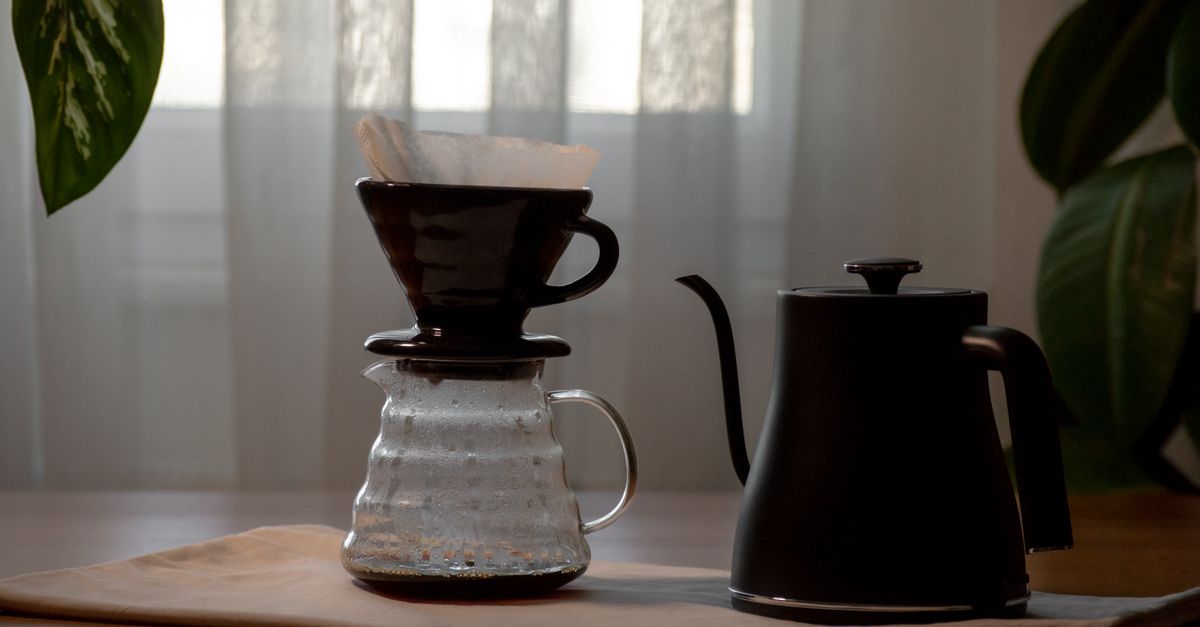
What truly works for a sustainable brew is to choose systems that use reusable filters or allow for compostable coffee grounds. This means opting for traditional drip coffee makers with permanent mesh filters, French presses, pour-over systems, or espresso machines that use ground coffee. My switch to a pour-over system was initially for taste, but the reduction in waste was a significant bonus. I now use a ceramic dripper with compostable paper filters, and all my coffee grounds go straight into my compost bin, enriching my garden soil.
If the convenience of a single-serve system is non-negotiable for your lifestyle, then investigate refillable pods. These are small, reusable containers that you fill with your own ground coffee. While they require a bit more effort than pre-filled pods, they drastically cut down on waste and allow you to choose high-quality, ethically sourced beans. This acknowledges the reality of busy lives while still making a significant step towards greater sustainability. The key is to commit to the reusable option and make it part of your routine, rather than occasionally opting for disposable pods.
Demand Transparency in Manufacturing and Supply Chain
When I first started looking for a truly sustainable coffee maker, I was often overwhelmed by vague claims of ‘eco-friendliness.’ The mistake I see most often is companies using greenwashing tactics—using buzzwords without offering concrete evidence. What changed everything for me was realizing that true sustainability isn’t just about the product’s immediate use, but about its entire lifecycle, from raw materials to manufacturing processes.
What truly works is to demand transparency in manufacturing and the supply chain. This means looking for brands that openly share information about where their materials come from, how their products are assembled, and the labor practices involved. I actively seek out companies that adhere to international environmental and labor standards, such as ISO 14001 for environmental management or fair trade certifications for components where applicable. While it’s harder to find this level of detail for every single component of a coffee maker, reputable brands will often highlight their commitment to ethical sourcing and sustainable production practices on their websites or in their annual reports.
Look for evidence of reduced water usage, waste management, and renewable energy integration in their factories. For instance, some companies are investing in closed-loop manufacturing where waste materials are reused in new products. While this research takes more effort, it ensures that your purchase supports companies genuinely committed to environmental stewardship, not just those marketing an ‘eco’ image. In my experience, a brand that is transparent about its entire operation is a brand that truly stands behind its sustainability claims.
Consider End-of-Life Recycling and Disposal Options
The most overlooked aspect of a product’s environmental footprint, in my opinion, is what happens to it when it’s no longer functional. The mistake I see most often is people simply tossing broken electronics in the regular trash, assuming they’ll be properly handled. What changed everything for me was understanding that even small appliances like coffee makers contain complex materials—metals, plastics, circuit boards—that can be harmful to the environment if not disposed of correctly, or worse, represent wasted resources.
What truly works is to proactively consider the end-of-life recycling and disposal options before you even purchase a new coffee maker. Some manufacturers offer take-back programs, where you can return your old appliance to them for proper recycling. This is ideal, as they often have specialized facilities or partnerships to ensure materials are recovered effectively. I always check a brand’s website for information on their recycling initiatives or partnerships with e-waste recyclers.
If a take-back program isn’t available, research local e-waste recycling centers in your area. Many communities have dedicated facilities or collection events for electronics. Knowing how you’ll responsibly dispose of your coffee maker at the end of its life should be part of the purchasing decision. A coffee maker might be energy-efficient and durable, but if its materials cannot be recovered and it ends up in a landfill, a significant part of its sustainable value is lost. Making this a conscious consideration helps close the loop on responsible consumption and minimizes its environmental impact from start to finish.
Frequently Asked Questions
What are the most common non-obvious energy drains in a coffee maker?
The most common non-obvious energy drains come from machines with constantly-on warming plates that keep coffee hot long after brewing, or models that maintain a hot water reservoir 24/7 without an auto-off feature. Look for programmable shut-off timers and on-demand heating systems.
Are ‘biodegradable’ coffee pods a truly sustainable alternative?
While better than standard plastic pods, ‘biodegradable’ or ‘compostable’ pods often require specific industrial composting facilities to break down effectively. Many home composting systems or municipal waste streams lack the necessary conditions, meaning they can still end up in landfills where they decompose slowly, if at all. Reusable pods or traditional ground coffee with composted grounds are generally more reliable sustainable options.
How important is the material of the coffee maker’s carafe for sustainability?
Very important. Glass carafes are durable and easily recyclable, while stainless steel thermal carafes eliminate the need for an energy-consuming warming plate, further reducing energy use. Plastic carafes, especially thin ones, are more prone to breaking and are harder to recycle, leading to more waste.
Should I prioritize a coffee maker made from recycled materials?
While admirable, a coffee maker made from recycled materials is only truly sustainable if it is also durable, energy-efficient, and has clear end-of-life recycling options. The longevity of the product and its energy consumption over its lifetime often have a greater impact than the recycled content percentage alone.
Is it always better to repair an old coffee maker than buy a new sustainable one?
Not always, but often. If the old machine is significantly less energy-efficient or uses harmful materials, replacing it with a truly sustainable model could be better in the long run. However, if your old machine is repairable and still performs well, repairing it is almost always the more sustainable choice, as it avoids generating new waste and consuming resources for a new product.
Choosing a sustainable coffee maker isn’t just about making a single purchase; it’s about making a series of informed decisions that reflect a deeper commitment to environmental responsibility. By evaluating energy efficiency, demanding durable and repairable designs, minimizing waste, and holding manufacturers accountable, we can ensure our daily coffee ritual aligns with our values. This mindful approach to consumerism doesn’t just benefit the planet, but it also cultivates a greater appreciation for the products we bring into our homes. Start with this checklist, and you’ll be well on your way to a more sustainable brew.
Written by Sarah Jenkins
Lifestyle & Practical Living
A passionate home cook and budget enthusiast, Sarah specializes in making everyday living both delightful and economical.
You Might Also Like
5 Counterintuitive Reasons Your Smart TV Is Slower Than Advertised
Uncover the surprising reasons your smart TV lags, even if it's new. Learn actionable steps to restore speed and responsiveness for a better viewing experience.
Six Months Without Hair Conditioner: My Unexpected Shift in Hair Health
After years of conditioning, I cut it out entirely for six months. My hair's transformation was surprising, leading to less grease and more natural volume.
Secure Bluetooth Earbuds From Eavesdropping in Public Without Buying New Gear
Learn to secure your Bluetooth earbuds from eavesdropping in public by adjusting settings and habits, not buying new devices.