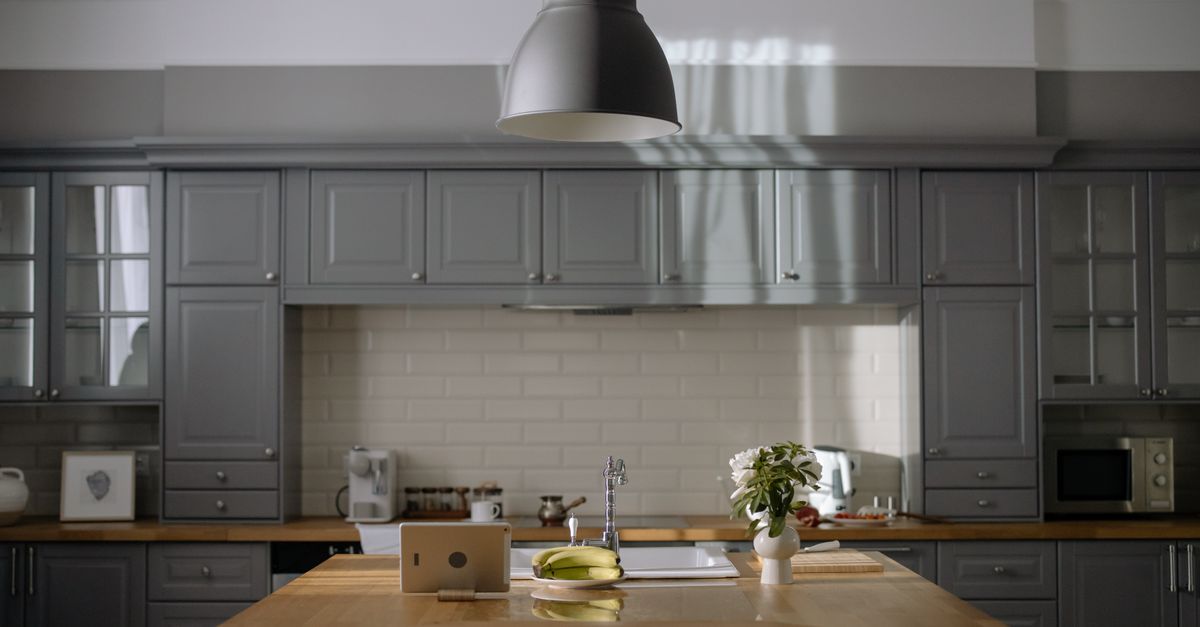
Do I Need a Kitchen Island or Can a Mobile Cart Work Just as Well?
When I first moved into my current home, the kitchen felt… incomplete. It was functional enough, but there was a significant gap in the center, a void where I imagined culinary magic happening. The conventional wisdom, and every home renovation show, screamed “kitchen island!” But a full-blown island is a commitment – a permanent fixture, often a costly installation, and a major redesign. I hesitated. My budget was tighter than I’d hoped, and the idea of tearing up flooring and dealing with contractors felt overwhelming. What if I made the wrong choice? What if the island didn’t actually solve my problems, but created new ones? This hesitation led me down a different path: exploring the often-underestimated mobile kitchen cart. What I discovered fundamentally changed my approach to kitchen design and functionality, proving that the “obvious” solution isn’t always the best one.
Key Takeaways
- A mobile kitchen cart offers unmatched flexibility, allowing you to adapt your workspace to diverse cooking tasks.
- Strategic storage solutions, like deep drawers and enclosed cabinets, are critical regardless of whether you choose an island or cart.
- Prioritize a durable, food-safe countertop material for your primary prep surface, whether fixed or mobile.
- Consider the long-term cost and installation implications; a mobile cart provides immediate functional gains without renovation headaches.
The Flexibility a Mobile Cart Provides Far Outweighs a Fixed Island’s Immovability
In my experience, the biggest misconception about kitchen islands is that their permanence automatically translates to superior functionality. For years, I believed a fixed island was the ultimate symbol of kitchen efficiency. What changed everything for me was embracing the dynamic nature of actual cooking. Think about it: one day you’re baking, needing a sprawling surface for dough and mixing bowls. The next, you’re prepping a quick dinner, and a smaller, contained space near the stove is ideal. A fixed island locks you into one configuration, one workflow. But a quality mobile kitchen cart? That’s your culinary chameleon.
I vividly recall a Thanksgiving dinner when my tiny galley kitchen was bursting at the seams. Without the mobile cart, I would have been balancing platters on a stack of cookbooks. Instead, I wheeled the cart right next to the oven for easy turkey carving, then moved it to the dining room as a temporary buffet. After dinner, it became a dish-stacking station by the sink. This adaptability is something a built-in island simply cannot offer. It allows you to expand your countertop real estate precisely where you need it, when you need it. This flexibility isn’t just about large gatherings; it’s about optimizing your daily routine, letting you reconfigure your space to match the task at hand, whether it’s homework, coffee prep, or an elaborate baking project. The mistake I see most often is people investing thousands in an island only to find it’s a permanent obstacle when they need open floor space or a different setup.
Thoughtful Storage Integration Is More Important Than the Structure Itself
Whether you opt for a grand island or a nimble cart, the true utility lies in its storage capabilities, not just its surface area. A flat slab of countertop, no matter how large, only solves half the problem. What changed everything for me was recognizing that every inch of storage had to be intentional and accessible. This is where many off-the-shelf islands and even custom designs fall short; they prioritize aesthetics over practical utility.
When I was selecting my mobile cart, I focused less on its overall size and more on the configuration of its drawers, shelves, and cabinets. I needed deep drawers for bulky items like stand mixer attachments and small appliances. I wanted adjustable shelves for varying heights of cookbooks and pantry staples. And critically, I sought out enclosed cabinets to hide away less attractive but essential items like oversized pots and pans. In my experience, a mobile cart with well-designed internal storage can outperform a fixed island that only offers shallow cabinets or open shelving prone to visual clutter. The key is to map out exactly what you need to store and where, then choose a piece that accommodates those needs. Don’t let the allure of a large, imposing island distract you from the fundamental need for smart, integrated storage solutions that genuinely streamline your kitchen.
Countertop Material and Durability Are Non-Negotiable for Either Choice
Regardless of whether your additional workspace is stationary or mobile, the quality and type of its countertop material are paramount. This is your primary prep zone, and it needs to stand up to heat, sharp knives, spills, and constant use. The mistake I see most often is people compromising on the surface material to save a few dollars, only to regret it when their countertop quickly shows wear and tear. What changed everything for me was understanding that investing in a durable, food-safe surface for this central workspace is non-negotiable.
For my mobile cart, I specifically sought a model with a solid butcher block top. Not only is it aesthetically pleasing, but it’s incredibly forgiving, can be easily sanded and re-oiled to look new, and provides a wonderful surface for everything from chopping vegetables to kneading dough. While granite or quartz might be desirable for a fixed island, they come with significant weight implications for a mobile unit and a higher price tag. My advice is to prioritize materials that are easy to clean, resistant to stains and scratches, and capable of enduring the rigors of daily cooking. A beautiful, durable countertop transforms your prep area from merely functional to genuinely inspiring, whether it’s rolling on wheels or anchored to the floor.
The Long-Term Cost-Benefit Favors Adaptability Over Permanent Installation
When weighing a kitchen island against a mobile cart, the financial and logistical implications are starkly different. A built-in island often involves not just the cost of the unit itself, but also installation, potential plumbing or electrical work, new flooring if you’re matching, and the inevitable disruption of a renovation. This can easily run into thousands, or even tens of thousands, of dollars. In my experience, what changed everything was realizing that the immediate, tangible benefits of a mobile cart offered a far superior return on investment.
My mobile cart, which provides ample prep space, integrated storage, and unparalleled flexibility, cost a fraction of what even a modest built-in island would have. There was no contractor fuss, no dust, no days without a functional kitchen. It arrived, I assembled it, and it immediately started solving problems. Furthermore, if my needs change, or if I move, the cart comes with me. A fixed island is a permanent fixture that might not suit a future buyer or a different lifestyle. For anyone on a budget, or simply looking for immediate kitchen enhancement without the commitment of a major renovation, the mobile cart is a powerful, cost-effective solution that often delivers more practical value than its fixed counterpart.
Frequently Asked Questions
How much space do I need for a mobile kitchen cart?
Ideally, you should have at least 36-42 inches of clearance around the cart, similar to a fixed island, to allow for comfortable movement and appliance access. However, the advantage of a mobile cart is that you can temporarily move it if you need more space for a specific task or to navigate your kitchen.
Can a mobile kitchen cart really replace a permanent island?
For many homes, especially smaller kitchens or those with evolving needs, a mobile cart can provide all the essential functionality of an island—extra prep space, storage, and even a casual dining area—without the permanence or expense of installation. It may even surpass a fixed island in terms of adaptability.
What features should I look for in a good mobile kitchen cart?
Prioritize a sturdy construction (solid wood or metal frame), locking wheels for stability, and practical storage like drawers, enclosed cabinets, and adjustable shelves. A durable, food-safe countertop material, such as butcher block, is also crucial for functionality.
Are mobile carts less stable than fixed islands?
Good quality mobile carts are designed with stability in mind, featuring sturdy frames and locking casters that prevent unwanted movement during use. While they might not have the sheer mass of a built-in island, they are perfectly stable for most kitchen tasks when locked.
Can I add a power outlet to a mobile kitchen cart?
Adding a power outlet to a mobile cart requires careful consideration for safety. It’s generally best to use the cart near an existing wall outlet and utilize extension cords designed for kitchen use, or have a professional electrician install a floor outlet if you plan on using the cart in a very specific, static location with consistent power needs.
Choosing the right central workspace for your kitchen is about more than just aesthetics; it’s about optimizing your daily life. My journey from expecting a built-in island to embracing the versatility of a mobile cart taught me that true functionality often lies in adaptability and thoughtful design, not just permanence. Take the time to assess your actual needs, and don’t be afraid to challenge conventional wisdom. Your kitchen, and your culinary adventures, will thank you for it.
Written by Sarah Jenkins
Lifestyle & Practical Living
A passionate home cook and budget enthusiast, Sarah specializes in making everyday living both delightful and economical.
You Might Also Like
5 Counterintuitive Reasons Your Smart TV Is Slower Than Advertised
Uncover the surprising reasons your smart TV lags, even if it's new. Learn actionable steps to restore speed and responsiveness for a better viewing experience.
Six Months Without Hair Conditioner: My Unexpected Shift in Hair Health
After years of conditioning, I cut it out entirely for six months. My hair's transformation was surprising, leading to less grease and more natural volume.
Secure Bluetooth Earbuds From Eavesdropping in Public Without Buying New Gear
Learn to secure your Bluetooth earbuds from eavesdropping in public by adjusting settings and habits, not buying new devices.